7 Common LMS and AI Implementation Mistakes in Corporate Training
Implementing an LMS and AI in corporate training often fails due to common mistakes that reduce effectiveness. Learn how to avoid them and make training impactful for your team.
6 min read
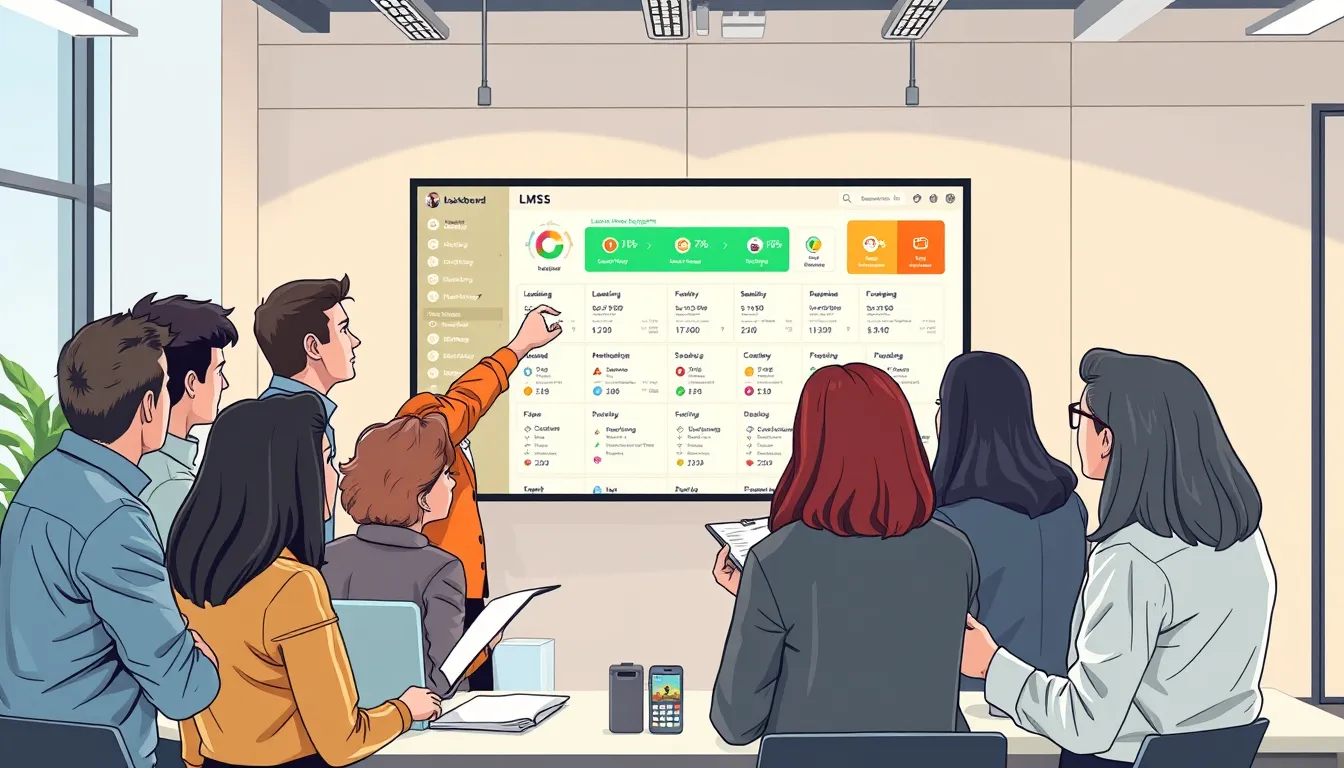
Implementing a Learning Management System (LMS) and AI in corporate training is a powerful way to upskill employees. However, many companies make mistakes that reduce training effectiveness and disengage staff. Success requires not just choosing the right platform but also a solid strategy, team buy-in, and continuous optimization. Here are 7 key mistakes to avoid and how to fix them.
Why does this matter? Corporate training is an investment in business growth. Poor LMS and AI implementation can waste time, money, and erode employee trust. Understanding these mistakes helps you save resources and make training valuable for everyone involved.
This article is for HR directors, L&D leaders, instructional designers, and business owners looking to automate training and boost its effectiveness with modern technology.
1. No Clear Training Goals
The first and most common mistake is implementing an LMS without defining specific objectives. Without clear goals, you can’t measure success or choose the right tools.
For example, if your goal is to speed up onboarding, your LMS should support interactive courses, automated assignments, and progress tracking. If the aim is to upskill experienced employees, personalized content and microlearning are key.
How to avoid this mistake:
- Audit your company’s current training needs.
- Define key performance indicators (KPIs), such as onboarding completion time or engagement levels.
- Choose an LMS with features that align with your goals.
- Regularly review and adjust your training strategy.
2. Ignoring Employee Needs
Another mistake is rolling out an LMS without considering employee preferences. If training is inconvenient, boring, or irrelevant, employees will ignore it.
For instance, a 200-person company implemented an LMS with long text-based courses, even though most employees preferred interactive or video formats. Engagement plummeted, and training failed to deliver results.
How to avoid this mistake:
- Survey employees to understand their learning preferences.
- Use diverse content formats: microlearning, quizzes, gamification, and video lectures.
- Personalize training with AI to adapt content to each employee’s knowledge level and learning style.
- Ensure mobile-friendly access to training.
3. Insufficient Employee Training
Even the most advanced LMS is useless if employees don’t know how to use it. Skipping platform training is a common mistake that leads to low engagement and poor tool utilization.
For example, one company implemented an AI-powered LMS but didn’t train HR or employees. As a result, many didn’t know how to create courses, assign training, or analyze results.
How to avoid this mistake:
- Host training sessions for HR and key LMS users.
- Create guides and video tutorials for the platform.
- Assign support staff to assist employees during training.
- Gather feedback regularly and refine training.
4. Overloading Employees with Training
Assigning too much training in a short time is another mistake. Overloading employees reduces motivation, leads to superficial learning, and can even cause them to abandon training altogether.
For example, a company decided to train employees on new quality standards and assigned 10 courses in a month. Employees struggled to absorb the material, and training quality suffered.
How to avoid this mistake:
- Break training into small modules (microlearning).
- Set realistic deadlines and priorities.
- Use AI to personalize training, offering only the courses employees truly need.
- Monitor workload and adjust training plans as needed.
5. Lack of Leadership Engagement
If company leadership doesn’t support training, employees won’t take it seriously. Lack of executive buy-in is a major reason LMS implementations fail.
For example, a company rolled out an LMS, but leadership didn’t participate or encourage employees. Training was seen as a formality, and engagement was low.
How to avoid this mistake:
- Involve leadership in training: have them take courses, share insights, and recognize employee progress.
- Hold regular meetings with leadership to discuss training results.
- Show how training impacts business outcomes, such as faster onboarding or improved service quality.
- Foster a learning culture where employee development is a priority.
6. Not Using Analytics or Feedback
Many companies implement an LMS but fail to use its analytics to measure training effectiveness. Without data, it’s impossible to know what’s working and what needs improvement.
For example, one company didn’t track course completion rates, engagement, or test results. This made it difficult to assess training effectiveness or make necessary adjustments.
How to avoid this mistake:
- Set up LMS analytics to track key metrics like engagement, completion time, and test results.
- Regularly analyze data and adjust your training strategy.
- Collect employee feedback through surveys and interviews.
- Use AI to automate data analysis and identify trends.
7. Overlooking Technical Aspects
Technical issues are another common reason LMS implementations fail. Incompatibility with existing systems, slow performance, or lack of support for formats like SCORM can derail your efforts.
For example, a company chose an LMS that didn’t support importing existing SCORM packages. This forced them to rework courses, delaying implementation.
How to avoid this mistake:
- Before selecting an LMS, evaluate its technical capabilities: format support (SCORM, xAPI, cmi5), integration with other systems (e.g., HRM), and performance.
- Test the platform for compatibility with your data and processes.
- Provide technical support for employees and HR.
- Keep the platform updated and monitor performance.
Checklist: How to Avoid LMS and AI Implementation Mistakes
- Define clear training goals and KPIs.
- Consider employee needs and preferences.
- Train HR and employees on using the LMS.
- Break training into small modules and set realistic deadlines.
- Engage leadership in the training process.
- Set up analytics and gather feedback regularly.
- Evaluate the LMS’s technical capabilities and ensure support.
FAQ
Why do employees ignore training in an LMS?
Employees may skip training due to lack of motivation, a clunky LMS interface, irrelevant content, or no support from leadership.
How can I ensure an LMS is right for my company?
Conduct a needs assessment, test the LMS demo, evaluate usability, and check integration capabilities with your existing systems.
What if AI in my LMS isn’t delivering expected results?
Review the quality of your training data, customize AI algorithms to fit your company’s needs, and train employees on using AI tools effectively.
How can I boost employee engagement in LMS training?
Use interactive formats like quizzes and gamification, personalize content, set deadlines, and reward achievements.
Which content formats work best in an LMS?
Microlearning, interactive courses, video lectures, workbooks, and feedback-driven tests are the most effective formats.
How do I measure LMS effectiveness?
Track course completion rates, employee engagement, test results, and feedback. Use LMS analytics to refine your training strategy.
Conclusion
- Implementing an LMS and AI in corporate training is a complex process that requires careful planning and strategy.
- Common mistakes like unclear goals, ignoring employee needs, or insufficient training can reduce effectiveness.
- To avoid these pitfalls, involve leadership, use analytics, address technical aspects, and gather feedback regularly.
- A well-implemented LMS with AI, like Kelbado, can significantly speed up training, boost engagement, and improve business outcomes.
- Start small: define goals, test the platform, and gradually expand LMS usage in your company.